


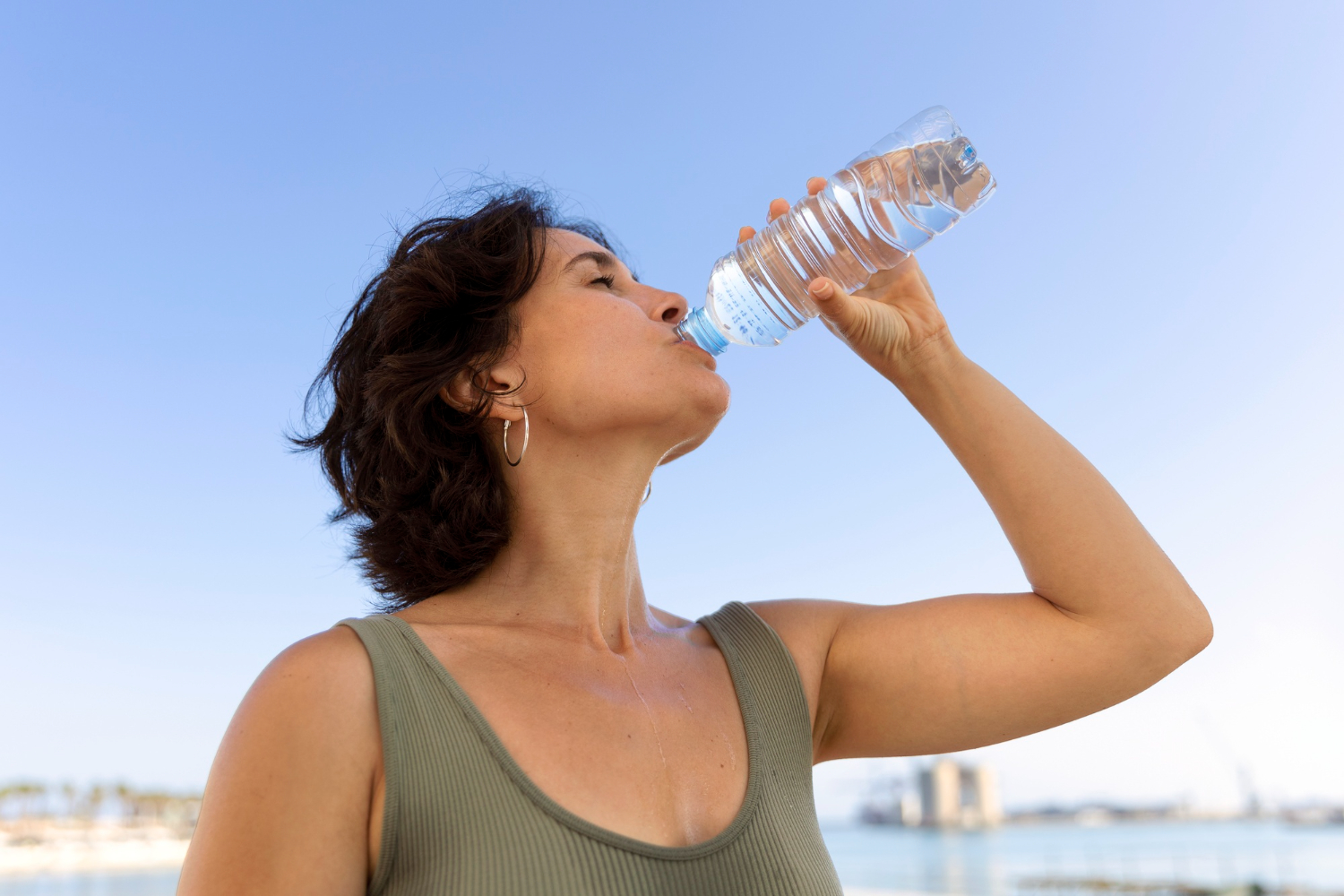
When the summer sun is at its strongest, keeping hydrated is more important than ever. Many of us enjoy spending more time outdoors, but higher temperatures increase the risk of dehydration and heat-related illnesses. Understanding how to get hydrated and stay that way can make all the difference to your health and wellbeing.
Why hydration matters
Water is essential for almost every function in the body, from regulating temperature and aiding digestion to carrying nutrients and supporting healthy joints. During the hotter months, our bodies lose more fluid through sweat, and if it’s not replaced, dehydration can set in. Even mild dehydration can leave you feeling tired, dizzy, and unable to concentrate. Severe dehydration, on the other hand, can be dangerous and requires urgent medical attention.
Signs of dehydration
Knowing the early signs can help you take action before dehydration becomes a serious problem. Common symptoms include:
- Thirst and a dry mouth
- Dark yellow urine or going less often than usual
- Headaches and dizziness
- Fatigue or irritability
- Muscle cramps
If left untreated, dehydration can progress to heat exhaustion or heatstroke. These conditions cause nausea, confusion, rapid heartbeat, and in severe cases can be life-threatening.
What to drink (and avoid)
The simplest way to keep hydrated is to drink water regularly throughout the day. Aim for 6-8 glasses, and more if you’re active or spending time in the sun. Adding slices of lemon, cucumber, or berries can make it more refreshing without adding sugar.
Other good options include:
- Low-fat milk: Provides fluids along with calcium and protein
- Herbal teas: Caffeine-free and hydrating
- Fruits and vegetables: Watermelon, cucumber, and oranges have a high water content
Drinks to limit:
- Alcohol: It acts as a diuretic, causing you to lose more fluids
- Sugary fizzy drinks: These can lead to energy crashes and don’t hydrate as effectively
- Excessive caffeine: In coffee or energy drinks, it may increase fluid loss for some people
Hydration tips for outdoor activity
If you’re planning outdoor exercise, gardening, or even just relaxing in the sun, here are some simple steps for how to keep hydrated:
- Carry a reusable water bottle and sip regularly, even if you’re not thirsty
- Pre-hydrate before exercise and top up afterwards
- Take breaks in the shade and wear light, breathable clothing
- Snack on water-rich fruits like grapes or melon during the day
- Avoid being outdoors during peak heat (11 am – 3 pm) where possible
The bottom line
Staying on top of your hydration isn’t just about comfort, it’s about protecting your health. By drinking plenty of fluids, recognising the warning signs of dehydration, and making smart choices about what you drink, you can enjoy the summer safely and reduce the risk of heat exhaustion or heatstroke.
Remember: keeping a bottle of water nearby is one of the simplest, yet most effective, steps you can take for your wellbeing this summer.
For more information and support, visit these links:
- Water, drinks and hydration – NHS
- Sunscreen and sun safety – NHS
- NHS 111 Wales – Health A-Z : Heat exhaustion and heatstroke